Tag: gutter cleaning

The Essential Guide to Gutters: Installation, Maintenance, and Long-Term Protection for Your Property

Gutters Gainesville FL play a critical role in protecting any structure from water damage, yet they are often overlooked until serious issues arise. Whether a property is residential or commercial, proper gutter installation and maintenance are essential for preventing structural deterioration, erosion, and moisture-related concerns. As more property owners prioritize preventative care, gutters have become one of the most important components of long-lasting exterior protection. Understanding how gutters work, why they matter, and how to properly maintain them allows homeowners and business owners to safeguard their investments while enhancing overall property value.

gutters

High-quality gutters help manage rainwater by collecting runoff from the roof and directing it safely away from the foundation. This system may seem simple, but without effective gutters, water can seep into basements, damage siding, erode landscaping, and weaken the foundation. Over time, neglecting gutter maintenance can result in costly repairs. This makes it crucial for property owners to educate themselves on the basics of gutter types, installation practices, and long-term upkeep strategies.

A well-designed gutter system not only protects against moisture damage but also enhances curb appeal. Modern gutters come in various materials and styles, allowing property owners to choose options that balance durability, affordability, and aesthetics. With the right approach, gutters become a proactive investment that reduces risks, prevents structural issues, and supports the longevity of the entire property.

Understanding the Importance of a Proper Gutter System

Gutters are more than just channels on the edge of a roof. They function as a key component of a property’s water management system. As rainwater flows off the roof, gutters capture the runoff and transport it through downspouts, ensuring it is released away from the structure. Without this redirection, water can pool near the foundation, leading to costly structural complications.

Water-related damage often occurs silently. A property may appear fine on the surface, but excessive moisture can slowly weaken the infrastructure. Gutters act as the first line of defense against these hidden threats by managing water flow in an organized and safe manner. They protect the roof, siding, fascia, foundation, and landscaping—all essential parts of the property’s exterior.

In addition, gutters help prevent soil erosion. When water flows directly off the roof without a gutter system, the impact can wash away soil, disrupt plant beds, and destabilize the ground around the foundation. Over time, this erosion can cause uneven settling, cracks, and other structural concerns. A dependable gutter system minimizes these risks by distributing water appropriately.

Types of Gutters and Their Advantages

Property owners have several gutter styles and materials to choose from, each offering unique benefits. Selecting the right option depends on budget, climate, architectural style, and desired level of maintenance.

1. Sectional Gutters

Sectional gutters consist of multiple pieces joined together. They are widely used due to their affordability and easy installation. However, the seams between sections may require more maintenance over time.

2. Seamless Gutters

Seamless gutters are custom-measured and cut on-site to form a continuous piece. This reduces the risk of leaks, improves durability, and enhances the appearance of the roofline. They require professional installation but offer long-term reliability.

Materials commonly used for gutters include aluminum, steel, vinyl, and copper. Each material varies in cost, weight, durability, and weather resistance. Aluminum is lightweight and rust-resistant, making it a popular choice, whereas steel gutters are more durable but heavier. Vinyl gutters are affordable but may become brittle in extreme weather. Copper gutters provide a premium, long-lasting finish but come at a higher price point.

The right material and style ultimately depend on the property’s needs and the owner’s long-term expectations. Regardless of the type chosen, proper installation and maintenance are essential for maximizing performance.

Why Professional Installation Matters

While some homeowners attempt to install gutters themselves, professional installation ensures accuracy, alignment, and compliance with best practices. A poorly installed gutter system may not drain correctly, causing water to overflow or pool in certain areas. Professionals have the tools and experience to measure the slope properly, secure brackets, and ensure that downspouts are placed in optimal locations.

Improperly installed gutters can cause more harm than good. For instance, water runoff might be directed toward areas prone to flooding or erosion. Downspouts installed too close to the foundation can contribute to basement leaks. Professionals use proven techniques to avoid these common issues, ensuring the system functions efficiently under all weather conditions.

Additionally, professional installers can recommend the ideal gutter size based on the roof pitch and local weather patterns. Larger roofs or areas with heavy rainfall require wider gutters to manage the volume of water. This ensures that water flows smoothly through the system even during strong storms.

Gutter Maintenance Tips for Long-Term Performance

Maintaining gutters is essential for extending their lifespan and preventing damage to the property. Leaves, twigs, and debris can accumulate inside gutters, causing clogs that restrict water flow. Without regular cleaning, water may spill over the edges or back up onto the roof, leading to leaks and deterioration.

Property owners should schedule gutter inspections at least twice a year, especially during seasons when debris buildup is common. Routine maintenance not only prevents clogs but also helps identify early signs of wear, such as rust, cracks, or loose brackets. Addressing these issues promptly prevents them from escalating into major repairs.

Here are two key maintenance practices every property owner should follow:

  1. Regular Cleaning
  2. Clearing debris from gutters ensures smooth water flow. Using gloves, a scoop, and a water hose, property owners can remove leaves, dirt, and other obstructions. Hiring professionals is recommended for higher or more complicated roofs.
  3. Inspecting for Damage
  4. Look for sagging areas, corrosion, leaks, and broken sections. Early detection makes repairs easier and more cost-effective.

Installing gutter guards is another maintenance strategy that helps minimize debris buildup. These screens or covers still allow water to pass through while keeping leaves and larger materials out. While guards reduce maintenance frequency, periodic cleaning is still necessary.

Common Gutter Problems and Their Solutions

Even well-maintained gutters can experience issues over time. Identifying the most common problems allows property owners to address concerns quickly and effectively.

One frequent issue is gutter sagging, which often results from excessive debris or damaged brackets. Sagging gutters cannot channel water properly, leading to overflow. Reinforcing brackets or replacing damaged sections typically resolves the issue.

Another common problem is leaking. Leaks often occur at seams, joints, or damaged areas. Sealants or replacement parts can fix minor leaks, but seamless gutters greatly reduce this concern.

Clogged downspouts can also prevent water from draining, causing backups. Using a plumber’s snake or high-pressure water hose can help clear obstructions. In severe cases, professional assistance is recommended.

Overflowing gutters often indicate poor slope alignment. Adjusting the angle ensures water flows freely toward the downspouts. Professionals can rehang the gutters correctly for optimal performance.

How Gutters Protect Property Value

A properly functioning gutter system can significantly enhance property value. Buyers and investors prioritize properties that are well-maintained and protected from water damage. Gutters demonstrate that the current owner has taken preventive measures to maintain the structural integrity of the building.

In addition to protecting the foundation, gutters support the longevity of roofing materials. When water is properly channeled, shingles remain in better condition, reducing the need for premature roof repairs. Gutters also protect landscaping, helping preserve the property’s exterior beauty.

From an aesthetic standpoint, modern gutter options contribute to a cleaner, more finished look. Seamless gutters, in particular, provide a polished appearance that enhances curb appeal. Upgrading an older or damaged gutter system can offer an immediate visual and functional improvement.

Signs It’s Time to Replace Your Gutters

While repairs may extend the lifespan of gutters, there comes a point when replacement is necessary. Recognizing these signs early ensures the property remains protected.

Some indications that gutters may need replacement include:

  1. Frequent Leaks or Breaks
  2. If repairs are becoming more common, continuing to patch the system may be less cost-effective than replacing it.
  3. Visible Rust, Cracks, or Holes
  4. These signs of deterioration indicate that the material has reached the end of its lifespan.
  5. Water Damage on Exterior Walls
  6. Stains or rot near the roofline suggest that gutters are failing to direct water away properly.
  7. Separated Sections
  8. When pieces of the gutter pull apart, consistent water flow becomes impossible, and replacement may be necessary.

Replacing gutters can restore proper functionality and provide long-term peace of mind. Modern materials and seamless options offer better durability and minimal maintenance, making replacement a worthwhile investment.

Choosing the Right Gutter System for Your Property

When selecting a gutter system, property owners should consider several factors such as roof size, climate, and long-term maintenance preferences. Consulting a professional ensures the system is properly sized and installed.

For example, properties with steep roof pitches may require wider gutters to handle increased water flow. Areas prone to storms benefit from durable materials such as steel or high-grade aluminum. For those seeking a low-maintenance option, seamless gutters with gutter guards offer a streamlined, long-lasting solution.

It is important to choose a system that suits both practical needs and aesthetic preferences. Modern gutters come in a variety of colors and styles, allowing property owners to match or complement the building’s exterior design.

Gutters are an essential part of any property’s structural protection. They defend against water damage, preserve the foundation, support the roof, and enhance curb appeal. With the right installation, regular maintenance, and timely repairs, gutters can provide long-term protection and peace of mind.

Property owners who understand the importance of a reliable gutter system can take proactive steps to safeguard their buildings. Whether installing new gutters, upgrading an old system, or maintaining existing ones, investing in proper gutter care ensures that the entire property remains safe, functional, and visually appealing for years to come.
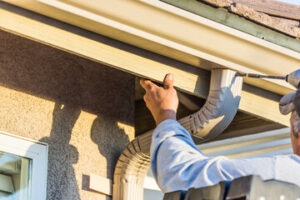

Flowing with Precision: The Modern Craft of Gutter Installation

Rainwater finds its way down, and gutters are what make sure it ends up where it should. The simple design of a gutter hides its essential purpose. It guides the flow away from foundations, preventing costly damage that could develop over time. Without proper installation, even the smallest storm can reveal weaknesses that lead to bigger structural issues.

Gutter Installation

Modern gutter installation has evolved far beyond attaching metal channels to rooflines. It has become a precise craft that blends engineering with design. The measurements, angles, and placement must be accurate to control water movement. A minor mistake in slope can cause standing water that erodes material faster than expected.

Today’s methods consider both function and appearance. Homeowners often prefer seamless systems that maintain clean visual lines. These continuous gutters reduce the risk of leaks at joints and make maintenance simpler. The sleek design also improves the exterior appeal of the property while providing reliable drainage.

Before any installation begins, proper planning defines the entire outcome. Each home’s layout, roof shape, and pitch require unique calculations. Installers must assess rainfall patterns, drainage paths, and ground elevation. Ignoring these elements can cause flooding or improper water flow around the foundation.

The selection of material also plays a critical role in how well gutters perform. Lightweight aluminum has long been favored for its durability and resistance to corrosion. Other materials like steel, copper, or vinyl offer varied benefits based on climate and style. Choosing the right one ensures longevity and reduces maintenance demands.

An essential part of installation is achieving the perfect slope. Gutters must tilt slightly toward the downspout to encourage smooth flow. Too much tilt causes rapid drainage that might damage nearby landscaping. Too little slope leads to pooling water that adds unnecessary weight and wear.

The integration of downspouts complements the system’s efficiency. Their size and placement determine how quickly water can exit the gutters. When positioned incorrectly, they can direct water too close to the base of the structure. Skilled installers ensure they discharge safely away from any potential damage zones.

Hidden hangers and brackets have become popular for a cleaner aesthetic. Unlike visible spikes and ferrules, these modern attachments create a seamless appearance. They also increase stability, especially in areas that experience heavy rainfall. The result is a gutter system that looks refined yet remains highly functional.

Proper sealing during installation prevents leaks and corrosion. Specialized adhesives and sealants ensure watertight joints and secure connections. These materials resist temperature fluctuations and UV exposure that often cause early deterioration. Without sealing, even the strongest gutter will eventually fail under persistent leaks.

Technological improvements have introduced advanced measuring and cutting tools. Portable machines now allow on-site fabrication of custom lengths. This reduces waste and ensures an exact fit for each section of the roofline. Precision cutting also eliminates unnecessary joints that could compromise performance.

In regions with heavy foliage, guards and filters are added to prevent clogs. These protective layers stop debris like leaves and twigs from blocking water flow. They reduce cleaning frequency and maintain consistent drainage throughout the year. When installed correctly, they extend the lifespan of the entire gutter system.

Water testing after installation is a crucial final step. By simulating rainfall, installers can identify improper slopes or leaks. This immediate feedback ensures adjustments are made before real storms arrive. Skipping this step often leads to costly issues that could have been easily prevented.

Modern gutter installation also pays attention to environmental impact. Sustainable materials and water collection systems have gained popularity. Some homeowners choose to integrate rainwater harvesting into their design. This collected water can be reused for gardens, reducing dependence on external sources.

Maintenance is an ongoing part of gutter ownership, regardless of material quality. Seasonal cleaning removes buildup that can obstruct flow and cause overflow. Routine inspections check for rust, cracks, or detachment caused by weather changes. Preventive care keeps the system performing efficiently year after year.

For homes in areas prone to snow, gutter reinforcement is especially important. Ice buildup can strain brackets and joints, leading to collapse. Heating cables or guards can help prevent ice dams and protect the structure. These preventive measures save repair costs and maintain long-term reliability.

Beyond function, modern gutters have also become part of architectural design. Their colors and profiles can complement exterior trims and roofs. Some designs use sculpted shapes or metallic finishes for visual interest. This shift from purely functional to aesthetic consideration shows how installation practices have matured.

The angle of the fascia board influences how gutters are mounted. If not adjusted properly, it can affect the slope and drainage capacity. Installers use level tools and chalk lines to align the system precisely. The attention to these small details defines the difference between standard and professional work.

When replacing old gutters, the removal process must be done carefully. Any damage to fascia or shingles can lead to future leaks. Professionals often inspect and repair underlying structures before new installation begins. This ensures the new system attaches securely and performs without compromise.

One common mistake during installation is using incorrect fasteners. Cheap or mismatched screws can corrode quickly and loosen over time. This can cause sagging or detachment, especially under heavy rainfall. The correct type of fastener ensures a stable and long-lasting bond.

Gutter size selection is another element that affects performance. Oversized gutters handle high rainfall efficiently but may look disproportionate on smaller homes. Undersized ones overflow easily, causing water to spill over edges. A balanced choice ensures both visual harmony and functional capacity.

Many homeowners underestimate how wind affects gutter systems. Strong gusts can dislodge poorly secured sections or cause vibrations that weaken joints. Reinforcing with brackets and anchors helps maintain stability during storms. These protective techniques enhance safety and prolong system durability.

The alignment between gutter ends and roof edges is critical for smooth capture of runoff. Gaps between shingles and gutters allow water to escape behind, damaging walls. Proper alignment creates a tight seal that directs water efficiently into the channel. This small but vital adjustment defines a flawless finish.

Professional installation often includes warranties for materials and craftsmanship. These guarantees reflect confidence in workmanship and provide homeowners peace of mind. They also ensure accountability should defects arise within a specific timeframe. Quality assurance like this reinforces the importance of skilled installation.

Even though technology assists in precise installation, manual skill remains essential. The experience of a trained installer allows for quick adaptations to unexpected roof conditions. Each adjustment reflects both technical knowledge and practical intuition. That balance between precision and flexibility defines the art of modern gutter installation.

Climate variation influences material expansion and contraction. Installers must account for these temperature shifts to avoid stress fractures. Proper spacing and flexible joints accommodate natural movement without damage. Ignoring this factor can shorten the lifespan of the entire setup.

When integrated with smart home systems, gutters can even provide data. Sensors can detect blockages or measure rainwater levels for monitoring. Such innovations are changing how homeowners interact with their property’s drainage systems. The once passive gutter now becomes part of a connected and responsive home environment.

Designing gutters for multi-level homes introduces unique challenges. Water from higher sections must flow efficiently without overwhelming lower systems. Installers use drop outlets and diverters to distribute flow evenly. Strategic planning ensures harmony between architectural complexity and functional efficiency.

For older homes, restoring historical gutter styles requires delicate precision. The goal is to preserve aesthetic authenticity while updating performance. Craftsmen often replicate original details using modern materials. This fusion of tradition and innovation keeps architectural integrity intact.

Gutters might not be the centerpiece of a home’s design, but their role is fundamental. They protect, preserve, and enhance the structure’s longevity. Every drop that passes through a properly installed gutter safeguards the investment beneath. That reliability makes the installation process not just technical but essential.

The future of gutter installation continues to move toward sustainability and automation. Materials that self-clean or resist corrosion for decades are being developed. Systems may soon integrate with weather data to optimize water collection. Innovation ensures that even this humble feature evolves with modern construction trends.

Ultimately, a well-installed gutter system reflects care, precision, and foresight. It stands quietly along the roofline, directing unseen forces with grace. While simple in concept, its effectiveness depends entirely on the craftsmanship behind it. In every home, gutters remain the silent protectors that shape resilience through every storm.

The Benefits of Pressure Washing Services

Pressure Washing Services uses a high-pressure water stream to remove debris from a surface. It is effective for removing stubborn dirt, oil, grime, and pollutants from exterior surfaces.

Over time, surfaces can build up a lot of grime that dulls their appearance and increases the risk of accidents like slips and falls. NYC Taskers have the power to renew those surfaces, keeping your property looking new and improving its curb appeal!

Garages

Pressure Washing

Pressure washing is a great way to revitalize exterior surfaces and can make your property look years younger. It’s ideal for removing rust, oily stains, mold, mildew, graffiti, and more. It’s also useful for removing pollutants that can linger on a building and cause health problems for tenants or employees. If you’re looking for a way to clean and freshen up your property without spending a lot of time or money, consider adding pressure washing to your spring cleaning or routine maintenance strategy.

Power or pressure washing uses high-pressure water spray to remove loose paint, dust, grime, mold, chewing gum, moss, and other deep-rooted debris from various surfaces, including cars, buildings, and concrete. The water volume is designed into the pump and is not variable, but the pressure is (750 to 30,000 psi or 5 to 200 MPa). The water blasting from these machines is fast enough to remove stubborn stains and dirt and leave surfaces spotlessly clean. Some power washers have special nozzle tips that can be adjusted to the type of surface being cleaned, so they are safe for use on delicate areas or hard-to-reach spaces.

Fences

Fences are important boundaries that mark a private space, keeping animals and people from wandering onto a property where they’re not welcome. These boundaries can be built with a variety of materials from vinyl and wood to chain-link and stone, but they all serve the same purpose – to make sure that one’s property is protected. But over time, a fence can build up a lot of gunk that’s difficult to remove with a regular garden hose. When the grime accumulates, it’s time for a power wash.

Power washing (also called pressure washing) uses water at high-pressure to remove dirt from surfaces, objects, and structures. It also cleans away loose paint, mold, mud, dust, gum, and other debris that have become deeply embedded in the surface. The water is accelerated through a pump and directed out of a nozzle, which allows users to control the level of pressure being used.

Start by attaching the nozzle to the pressure washer and setting it to the lowest cleaning level. Stand at least 3-4 feet away from the surface and move the nozzle in a circular pattern to avoid streaks. Once the dirt is removed, rinse the surface with fresh water. If the surface isn’t completely clean, repeat steps 1-5 until you get the results you want. Before you finish, be sure to follow the pressure washer’s manufacturer’s instructions on relieving water pressure, removing the nozzle, and storing the machine. It’s also a good idea to test the pressure on a hidden area of the surface to make sure it won’t damage it.

Decks

Pressure washing services provide specialized equipment to blast away dirt, mold, mildew, and other contaminants from a variety of surfaces. This process helps to revive and refresh surfaces, restoring their beauty and protecting them from long-term damage. It can also be used to remove allergens, pollutants, and contaminants that affect indoor air quality. Additionally, if your property is getting ready to be painted, pressure washing can help ensure that the paint will adhere properly and last longer.

When it comes to cleaning decks, it’s important to know that not all pressure washers are created equal. Even cheap household/consumer-grade machines can reach up to 4,000 PSI and can seriously damage wood if used incorrectly. It is recommended to use a low pressure setting and test the spray pattern on an inconspicuous area before using it on your deck. Also, it’s important to keep the nozzle at a distance from the surface-too close and you risk splintering the wood or leaving unsightly gouges in it.

If you’re looking for a more heavy-duty cleaning option, consider power washing. This takes the regular pressure washing technique and kicks it up a notch by adding heated water. This increases the effectiveness of the blast and allows it to tackle more stubborn substances like gum, oil, or salt. Moreover, it can help to reduce the number of bacteria, mold, and mildew colonies on treated surfaces and offers greater sanitization. It is especially useful for businesses that deal with food and beverages or industrial machinery, as it can easily get rid of tough sticky stains. It’s also an excellent choice for preparing surfaces to be stained or sealed, as it can accelerate the drying time and improve results.

Patios

Patios provide a place to relax and enjoy the fresh air. However, they are susceptible to stains caused by spilled food and drinks, dirt tracked in from the yard and garden, and mildew and mold growth. Over time, these can work their way into the surface and cause damage, wearing away the material and creating cracks. A professional pressure washing service can safely and effectively remove these substances and restore the appearance of your patio.

Pressure Washing Services use a powerful water spray to quickly blast away dirt, grime, mold, mildew, and more from exterior surfaces and objects. This process is more effective than regular scrubbing and often faster than manual cleaning methods. It’s also safer for people and pets to handle than chemicals, and it can help reduce the need for scrubbing and rinsing.

A pressure washer uses a motor-powered pump to accelerate water into a high-pressure stream that can reach up to 3,000 PSI (pounds per square inch). The high-powered force of the water blast makes it ideal for outdoor cleanup projects, including cars, boats, driveways, and concrete surfaces. A heat-injection system can also be added to the unit, allowing it to safely and quickly remove stubborn deposits like oil or grease from surfaces.

Before the cleaning begins, it’s important to sweep the surface to remove leaves, twigs, and other debris that could clog the pressure washer or interfere with the cleaning process. It’s also helpful to cover plants, shrubs, and landscaping elements with tarps or plastic sheeting to protect them from splashes of water and cleaning solutions.

Driveways

Power or pressure washing uses high-pressure water spray to clean dirt, loose paint, mud, dust, chewing gum, mold, moss, and other debris deeply embedded in various surfaces and objects including buildings, vehicles, and concrete surfaces. It is an effective way to spruce up your home or business and improve the appearance of your property. Professionals use high-powered commercial or industrial machines capable of producing between 750 and 7000 PSI to perform the job safely and effectively.

The process involves using a water pump to accelerate normal water and direct it through a hose into a sprayer or nozzle that can be adjusted to different levels of pressure and direction to tackle the job at hand. It is important to have the proper equipment and experience because too much pressure can damage the surface you are trying to clean.

You may need to pretreat oil, grease or rust stains with concrete cleaners or degreasers and scrub them with a brush before power washing the driveway. Adding soap to the mix can also help loosen up stains and make them easier to remove with the pressure washer.

It is recommended that you hire professionals to power wash your driveway as it can be dangerous if done improperly. It is a good idea to cover any flowers, plants or other fragile items that could get damaged by the high-pressure water. It is also important to wear the appropriate safety clothing which should include eye protection and gloves to protect yourself from splashing or overspray. It is also a good idea to cover any windows or other openings that could get sprayed by the pressure washer. Also, be sure to keep the water away from drain spouts as they can cause flooding and erosion problems.

The Importance of Gutter Cleaning for Home Protection

Clogged gutters create the ideal environment for mold and mildew to thrive. These growths are hazardous to health, damage building materials, and can cause expensive repairs.

Regular gutter cleaning prevents these issues by directing rainwater away from the house, minimizing soil erosion, and protecting patios and fascia from damage. It also keeps pests and insects at bay.

https://www.gutterscoloradospringspro.com/

Water Damage

The primary function of gutters is to direct rainwater away from the home, but when they’re clogged with debris, water overflows, pools, and seeps into the walls and foundation. This can cause rot, mold growth, and structural damage. Gutter cleaning removes leaves, twigs, dirt, and other debris that block rainwater flow, preventing this overflow and subsequent damage.

Clogged gutters also create ideal conditions for mold and mildew to grow, especially in Florida’s humid climate. These spores can damage roofing materials, and they can spread throughout the house and wreak havoc on indoor air quality. Regular gutter cleaning eliminates standing water and the conditions that promote mold and mildew, preserving the roof and ensuring healthy interior environments.

Gutters that overflow with water can damage the exterior walls of the house, causing paint to peel and wood to rot. This can lead to costly repair and replacement. Gutter cleaning keeps water flowing freely, extending the lifespan of your walls, siding, and roof.

Overflowing gutters can also damage your home’s landscape by washing away soil, damaging plants, and destabilizing walkways and garden features. Gutter cleaning ensures that water is properly channeled, preserving your landscaping and maintaining the value of your property.

Gutter systems that are clogged with debris can also be pulled away from the house, creating dangerous gaps and exposing the home to moisture and pests. Professional gutter cleaning ensures that your home’s gutter system is clear and functional, reducing the risk of these issues.

Homeowners may be tempted to tackle gutter cleaning themselves, but this task is often much safer and more effective when left to the professionals. Pros have the experience and tools to safely and thoroughly clean gutters, and they can identify any issues that aren’t visible to untrained eyes. This can help you avoid costly repairs and extend the life of your home’s gutter system. Contact a local gutter service today to schedule your annual gutter cleaning and inspection. Gutter maintenance is a small investment that can save you thousands in expensive repairs and preventable issues down the road. Call Semo Seamless Guttering LLC to learn more about our gutter services!

Pest Infestations

A gutter full of leaves, twigs, and stagnant water is an ideal habitat for mosquitoes, rodents, birds, and other pests. If they settle in and start breeding, these pests will eventually find their way into your home through attic openings or wall cracks. Regular gutter cleaning prevents debris buildup, which reduces the risk of infestation.

Gutters are designed to direct rainwater away from a house’s roof and foundation, protecting these structures from damage. If the gutters are clogged, however, rainwater can pool and seep through shingles or the underlayment, which will cause leaks and rot. Regular gutter cleaning prevents this by ensuring that the gutters are fully functional.

When a gutter is clogged, it can also cause overflowing water, which can cause unsightly stains on exterior walls and damage landscaping. This type of damage may also lead to the need for expensive roof repair. Gutter maintenance is inexpensive, but it is a necessary step in preventing costly roof and foundation repairs.

Most household pests are seeking food or water when they invade a home. A clean home makes it harder for them to access these resources. Putting dirty dishes in the dishwasher right away, wiping up crumbs as soon as they happen, and storing food in airtight containers all help deter pests from entering your house. In addition, a clean yard also reduces their hiding places. Mowing the lawn regularly, trimming bushes, and placing playground equipment far from brushy areas all make it less likely that pests will hide in these places and try to sneak into your house.

Clogged gutters can also cause overflowing water, which creates an ideal environment for mold and mildew growth. Mold and mildew pose health risks for residents, are very difficult to remove, and can damage building materials. Regular gutter maintenance ensures that excess moisture is kept away from the building, preventing mold and mildew growth and keeping the foundation, siding, and attic dry.

Mold Growth

Gutters play a crucial role in directing rainwater away from walls, roofs, and the foundation of your home. A properly functioning gutter system reduces the amount of moisture that seeps into your home’s structure and foundation, which can lead to costly repairs, musty odors, and other problems. Clogged gutters can also encourage mold and mildew growth, causing health risks for your family. By regularly cleaning your gutters, you can prevent these issues from occurring.

Clogged gutters create standing water that can seep into walls, roofs, and the foundation of a home, causing damage and structural rot. The accumulated water can also cause moisture to penetrate drywall, leading to mold and mildew. It can also damage shingles, underlayment, and decking and may leak into the interior of your home, damaging ceilings, walls, and floors.

When dirt, leaves, twigs, and debris clog your gutters, the moisture that collects inside of them can lead to musty odors and mold. In addition, clogged gutters provide an ideal breeding ground for pests like mosquitoes, flies, and rodents, increasing the risk of infestations in the home. Regular gutter cleaning can help to deter these unwelcome guests and keep them out of your house.

Mold growth can cause several health problems, including allergies, irritants, and even some types of cancer. These effects are caused by the spores that mold produces, which can become airborne and float through the air in your home. When the spores land on a wet surface, they can grow and multiply, causing a variety of symptoms including sneezing, runny nose, itchy eyes, and skin rash. Gutter cleaning can prevent the spread of mold spores in your home by ensuring that your gutters are clean and free of organic material.

Clogged gutters are an ideal environment for mold and mildew to thrive, as they provide moisture and food for these organisms. Regular gutter cleaning can help to deter mold and mildew from growing in your home, preserving the value of your property and keeping your family healthy.

Reduced Home Value

Gutters serve a key role in protecting the structure of your roof and house, but they’re often neglected. When clogged with leaves and debris, they’re unable to perform their primary function of directing water away from the building and its foundation. Over time, this can lead to serious issues like basement flooding, sagging gutters, rotted wood, and mold growth. Regular gutter cleaning prevents these problems from occurring and protects your home from unnecessary damage.

Gutter cleaning is a task that many homeowners take on themselves, but it’s not something to be attempted without the proper equipment and safety precautions. Working on ladders is dangerous, especially when navigating tight spaces and corners, so it’s best to leave the job to professionals who are trained to ensure the work is done properly and safely.

Clogged gutters don’t just prevent rainwater from draining, they also create standing water that provides the perfect environment for mildew and mold to grow. These contaminants can erode roofing materials and cause health risks in your home, and they’re particularly damaging in Florida’s humid climate. Regular gutter cleaning minimizes standing water and the conditions that promote mildew and mold, extending the lifespan of your roof and improving the appearance of your home.

While it may seem like a minor chore, regular gutter cleaning is an important part of maintaining your home or commercial property. By neglecting this maintenance, you’re setting yourself up for expensive repairs and potentially causing permanent damage to your home or business. Investing in a professional service to clean your gutters on a routine basis prevents costly repair bills and improves the lifespan of your home’s roof.

If you live in New York, it’s even more crucial to maintain your gutters because the city’s dense layout and four-season weather make it difficult for roofs to stay dry. Gutters are key for reducing soil erosion, preventing basement flooding, directing water away from foundations, and protecting patios and fascia from damage. The city’s high rainfall, frequent leaf drop, seasonal snow, and ice dam formation can increase gutter cleaning needs significantly.

Navigation