A septic tank performs an essential job every day by collecting and separating wastewater from toilets, sinks, showers, and other household fixtures. As wastewater enters the tank, solids gradually settle at the bottom while grease and other floating materials collect near the surface. These materials build up over time and must eventually be removed to keep the system functioning properly. Septic tank cleaning at The Septic Guys helps remove accumulated waste while providing an opportunity to inspect the tank and identify potential problems. Understanding the septic tank cleaning process can help homeowners know what to expect during service and why regular maintenance is important for protecting the entire septic system.
What Is Septic Tank Cleaning?
Septic tank cleaning is a maintenance process that removes accumulated wastewater, sludge, and scum from a septic tank. Sludge consists primarily of heavier solids that settle at the bottom, while scum contains lighter materials such as oils and grease that float near the top. Although bacteria inside the tank help break down some organic material, they cannot eliminate everything that enters the system. As a result, solid waste gradually accumulates and reduces the tank’s usable capacity. Periodic cleaning helps restore the space needed for effective wastewater separation.
The terms septic tank cleaning and septic pumping are sometimes used interchangeably, although the scope of service can vary. Pumping generally refers to removing the tank’s contents with vacuum equipment, while a thorough cleaning service may involve additional efforts to remove accumulated solids and examine accessible components. The exact process depends on the condition and design of the system. Homeowners should understand what is included when scheduling service. Proper maintenance should focus on protecting the performance of the entire septic system.
How Does the Septic Tank Cleaning Process Begin?
The process generally starts by locating the septic tank and its access points. Some systems have risers and lids visible near ground level, while older installations may have access covers buried beneath soil. If the tank location is unknown, professionals may use property information, previous service records, or specialized methods to locate it. Once identified, the area around the access point must be made safe and accessible. Proper access allows cleaning equipment to reach the tank efficiently.
Before removing the contents, the technician can observe conditions inside the tank. Wastewater levels and the accumulation of sludge and scum may provide useful information about how the system has been functioning. Accessible components can also be checked for obvious signs of deterioration or damage. Unusual conditions may indicate that the system needs more than routine cleaning. Evaluating the tank before service helps identify concerns that could otherwise remain hidden.
How Is the Septic Tank Pumped and Cleaned?
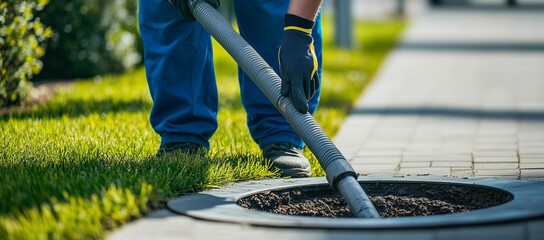
Once the tank has been opened and inspected, specialized vacuum equipment is used to remove its contents. A large hose connected to a pumping truck is placed into the tank to extract liquid wastewater, floating scum, and settled sludge. The hose may need to be repositioned during the process to reach accumulated material in different parts of the tank. Thick sludge may require additional attention so it can be removed effectively. Thorough removal is important because leaving excessive solids behind reduces the benefit of the service.
Professionals may use appropriate methods to help loosen stubborn material during the cleaning process when necessary. The goal is to remove accumulated waste without damaging the tank or its internal components. Simply removing liquid from the upper portion of the tank while leaving significant sludge at the bottom does not provide the same level of maintenance. The contents are transferred into the service vehicle for proper handling and disposal. Septic waste should always be managed according to applicable requirements.
What Is Inspected While the Tank Is Being Cleaned?
Cleaning creates an opportunity to examine portions of the septic system that are normally hidden. Accessible baffles, filters, inlet and outlet areas, lids, risers, and visible tank surfaces may be checked depending on the system’s design. Damaged baffles or filters can interfere with the normal movement of wastewater and allow solids to travel farther into the system. Cracks or deterioration in the tank may also require additional attention. Finding these problems during routine maintenance can help prevent more serious failures.
The technician may also consider whether the observed wastewater level appears normal. An unusually high level may suggest difficulty with wastewater leaving the tank, while an unexpectedly low level could indicate another problem that deserves investigation. These observations alone do not always identify the exact cause, so additional evaluation may be necessary. Septic tank cleaning cannot correct a damaged drain field or broken wastewater line by itself. A thorough service helps distinguish routine maintenance needs from larger system concerns.
What Happens After the Septic Tank Is Cleaned?
Once the tank has been cleaned, any included filter maintenance or final inspection can be completed before the access points are secured. The tank generally does not need to be manually filled with water after routine service because normal household wastewater will begin entering it again. The access lid should be returned to its proper position and secured. If soil was removed to expose a buried lid, the area can then be restored as appropriate. Proper closure is important because an unsecured septic tank opening presents a serious safety hazard.
Homeowners may receive information about the condition of the system and any issues discovered during service. Recommendations could include repairing damaged components, improving access, monitoring unusual conditions, or scheduling the next maintenance visit. Keeping a written record of the cleaning date makes future planning easier. Maintenance records can also show how quickly sludge accumulates between services. This information can help establish a schedule appropriate for the household.
How Long Does the Septic Tank Cleaning Process Take?
The time required depends on tank size, accessibility, accumulated solids, and overall system condition. A routinely maintained tank with an easily accessible lid may require less time than a neglected tank containing heavy sludge buildup. Buried access points can add time because they must be located and uncovered before cleaning begins. Difficult terrain or limited pumping-truck access can also complicate the process. Each property therefore has a somewhat different service timeline.
Additional inspection or maintenance can extend the appointment as well. If damaged components, unusual wastewater levels, or other concerns are discovered, the technician may need additional time to evaluate the situation. Homeowners can help make the process more efficient by providing previous septic records and ensuring the tank area is accessible. Vehicles, outdoor equipment, and other obstacles should be moved when they interfere with access. Preparation can reduce delays without requiring the actual cleaning work to be rushed.
How Often Should a Septic Tank Be Cleaned?
There is no maintenance interval that is ideal for every septic system. Pumping frequency depends on factors such as tank capacity, household size, wastewater volume, and the amount of solids entering the system. Many residential systems are serviced every few years, but some households require more frequent maintenance while others may be able to go longer. Regular inspection and maintenance records provide better guidance than relying solely on a general timeline. The objective is to remove solids before they threaten normal system performance.
Household habits can significantly affect how quickly a tank accumulates waste. Heavy use of a garbage disposal, flushing inappropriate materials, or having many occupants can increase the amount of solids entering the tank. Excessive water use can also place additional stress on the septic system. Homeowners should therefore consider both time and actual system conditions when planning maintenance. A professional can help determine an appropriate schedule based on previous service findings.
What Are the Signs Your Septic Tank May Need Cleaning?
Several warning signs may indicate that the septic system needs professional attention. Slow drainage throughout multiple fixtures, gurgling toilets, sewage odors, and recurring wastewater backups can all point to a septic or drainage problem. These symptoms do not necessarily prove that the tank only needs cleaning because pipe blockages and drain field problems can create similar effects. Professional evaluation is important for determining the actual cause. Treating the wrong problem can delay necessary repairs.
Outdoor conditions can provide additional warning signs. Standing water, soggy ground, sewage odors, or unusual vegetation growth near septic components may indicate that wastewater is not being handled normally. A sewage backup inside the home requires particularly prompt attention because it can create sanitation and property-damage concerns. Homeowners should not wait for these severe symptoms before maintaining the tank. Scheduled preventive service is generally preferable to emergency cleaning.
How Can Homeowners Keep a Septic Tank Cleaner?
Responsible waste disposal helps control the amount of unnecessary material entering a septic tank. Wipes, paper towels, feminine hygiene products, diapers, grease, and other unsuitable materials should not be flushed or washed down drains. Even products advertised as flushable may not break down as readily as appropriate toilet paper. Keeping these materials out of the system reduces unnecessary solid accumulation. Good household habits can make routine septic maintenance more effective.
Managing water use also supports proper septic performance. Leaking toilets and faucets should be repaired, and high-volume activities can be distributed throughout the week rather than concentrated into short periods. Homeowners should also protect the drain field from vehicles, heavy equipment, and inappropriate construction. The septic tank is only one part of the wastewater system, so protecting downstream components is equally important. Routine maintenance combined with responsible daily use provides the strongest long-term protection.
Final Thoughts
The septic tank cleaning process involves locating and opening the tank, evaluating existing conditions, pumping out wastewater and accumulated solids, inspecting accessible components, and safely securing the system afterward. A thorough service does more than remove liquid because accumulated sludge and scum must also be addressed to restore usable tank capacity. Regular cleaning can help prevent solids from reaching downstream components while providing opportunities to identify developing problems early. Homeowners can support septic performance by keeping maintenance records, managing water use, and avoiding materials that do not belong in the wastewater system. With preventive cleaning and responsible everyday use, a septic system can operate more reliably while reducing the risk of backups and expensive repairs.